
DIGITAL SKETCHBOOK
(ART 333.02: EXPERIMENTAL MEDIA)
UPDATE ON "PAINT IT!" (11.17.11)
Check out this sweet trailer!
PROCESS FOR PROJECT 3 (11.15.11): EXPERIMENTAL SHOOT
My idea for this project is still developing, but I want to create a mixed media project of somekind. So far, I've been experimenting with time-based overlays. I would like to be able to project these, or something like it, onto a surface or surfaces that have screen shots of these recordings transferred onto them. This could also include layers of material with space in between and a projection of the moving image to play through the different pieces of material. Like I said, this is still a work in progress.
Here are two preliminary experimental shoots:
This first one has two moving images overlayed on one another. Both are doing the same action, but in different patterns, speeds, and colors.
This second one has a moving image over a still frame from a previous recording of a similar action that the moving image is displaying.
PROJECT 2 (11.02.11): SPRITES FOR "PAINT IT!"
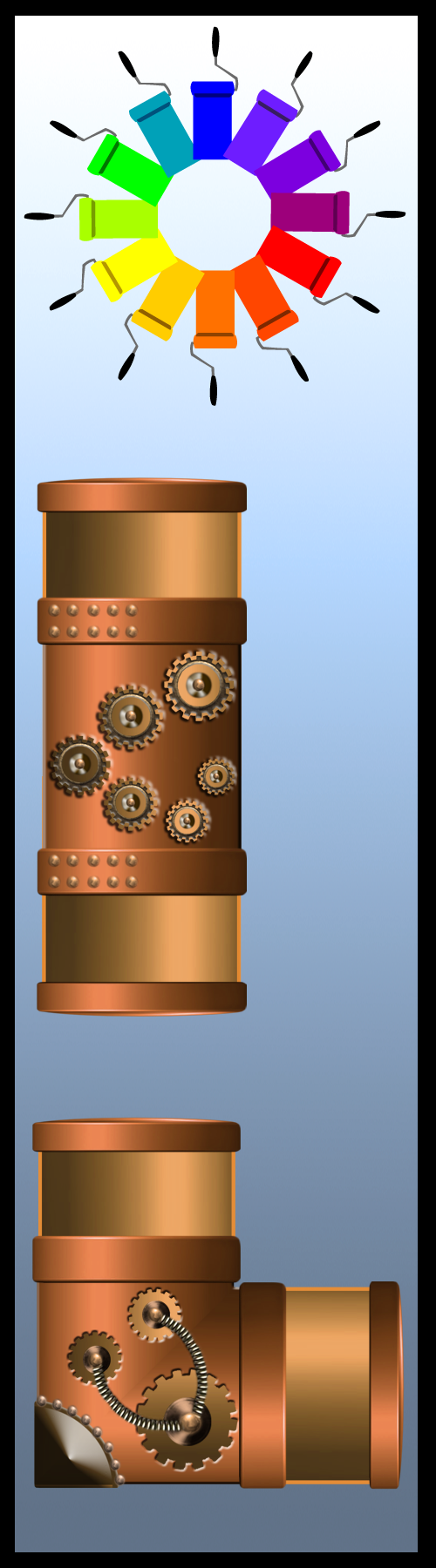
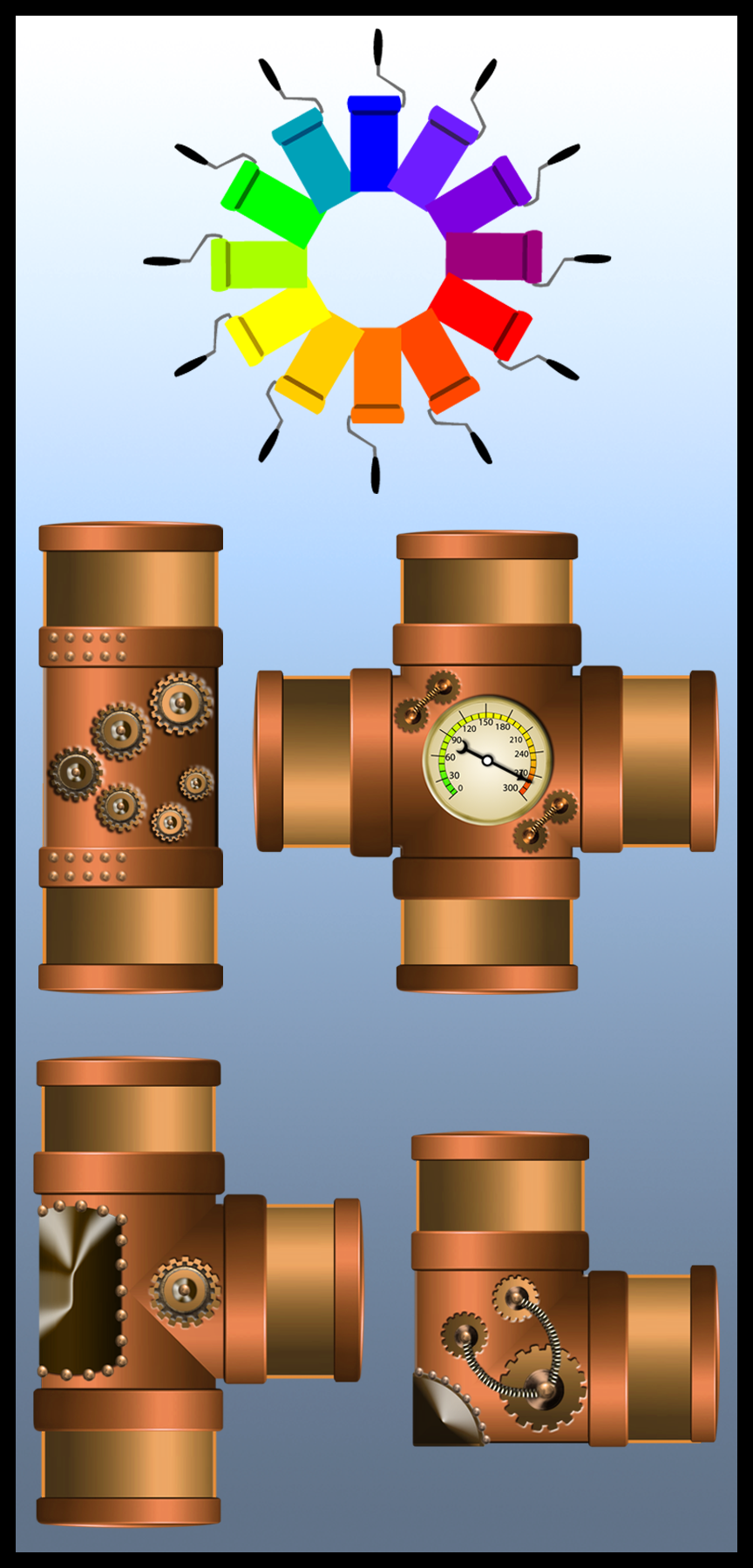
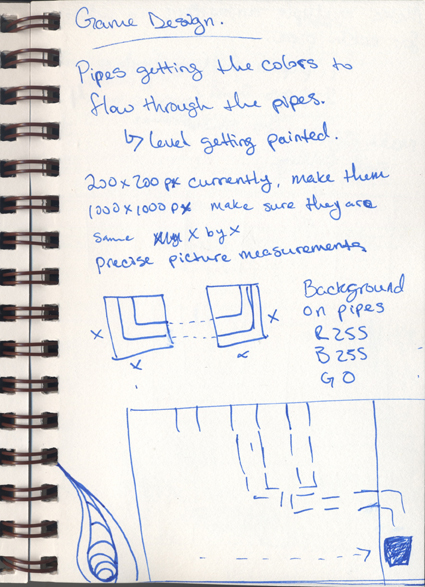
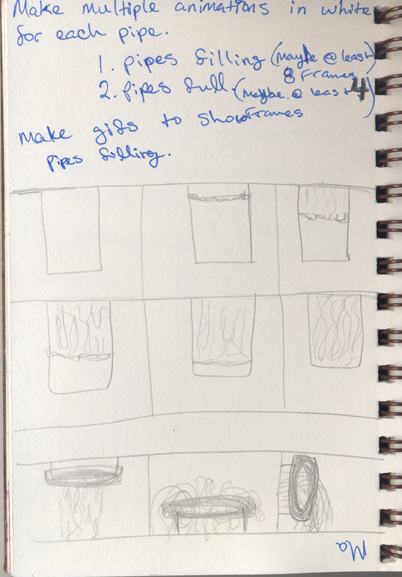
These are my remodeled pipes with the effect of paint flowing through them. Here are sprite sheets and .MOV files to best show the effect of the paint flowing though them.
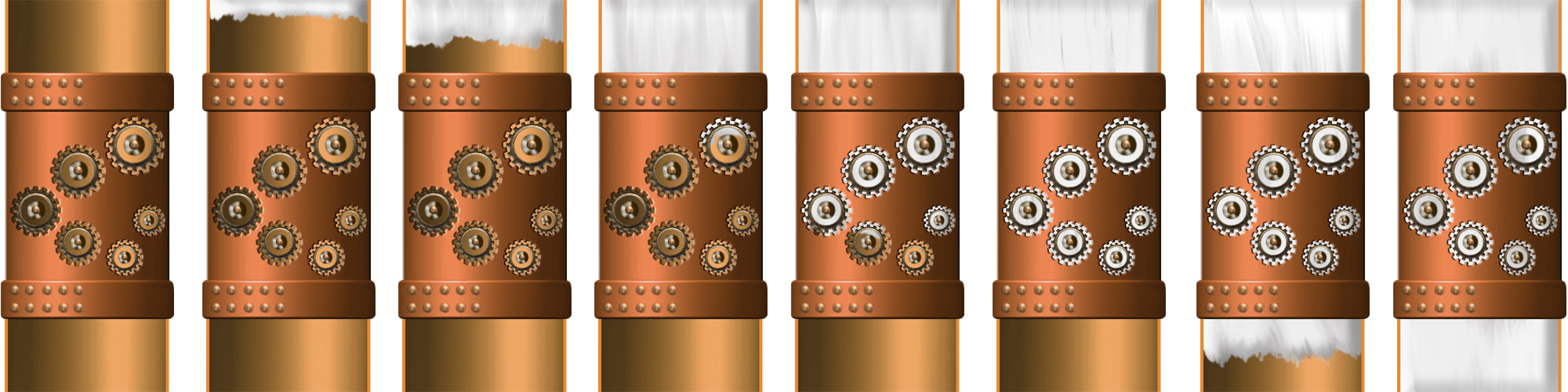
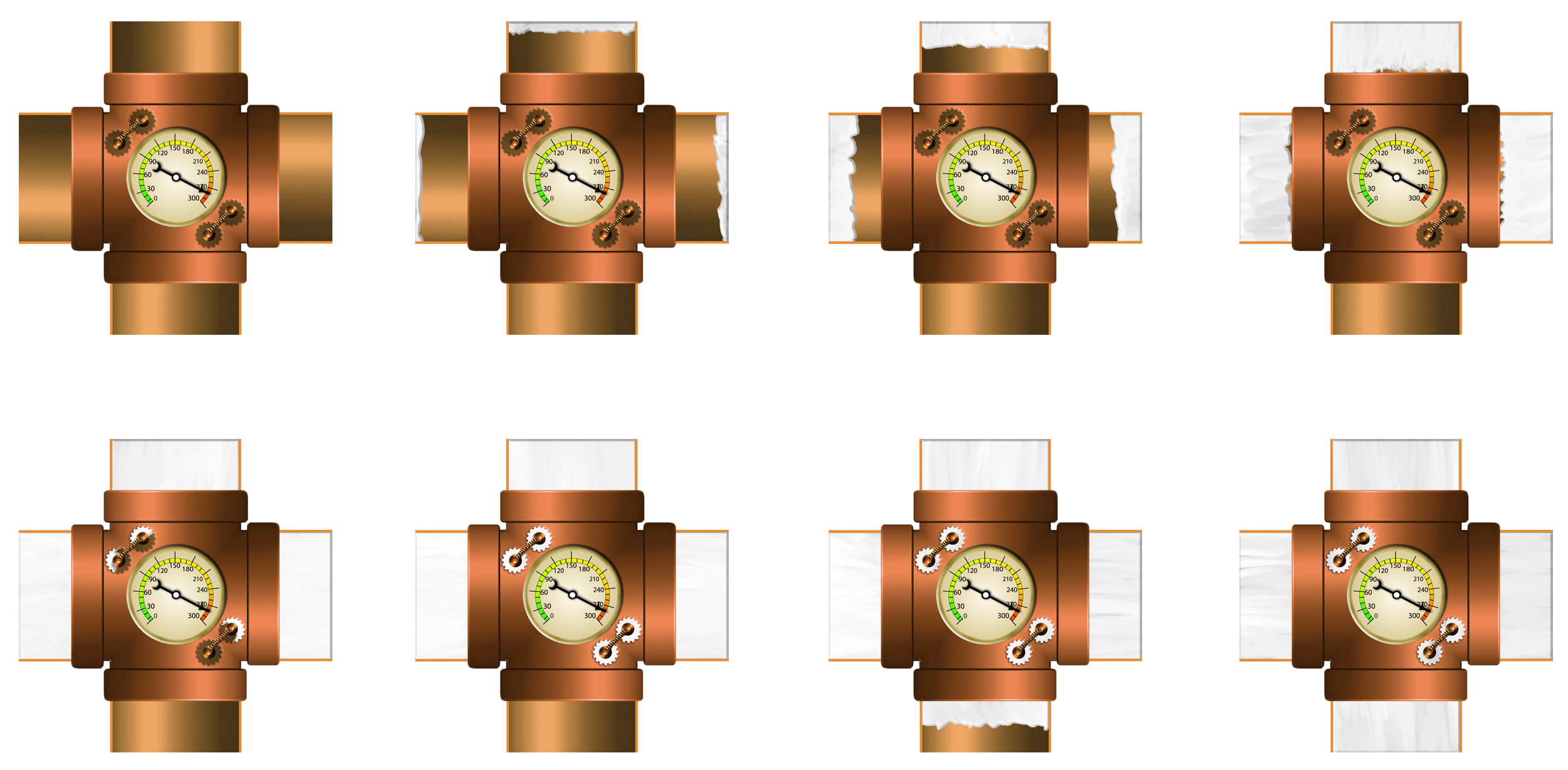
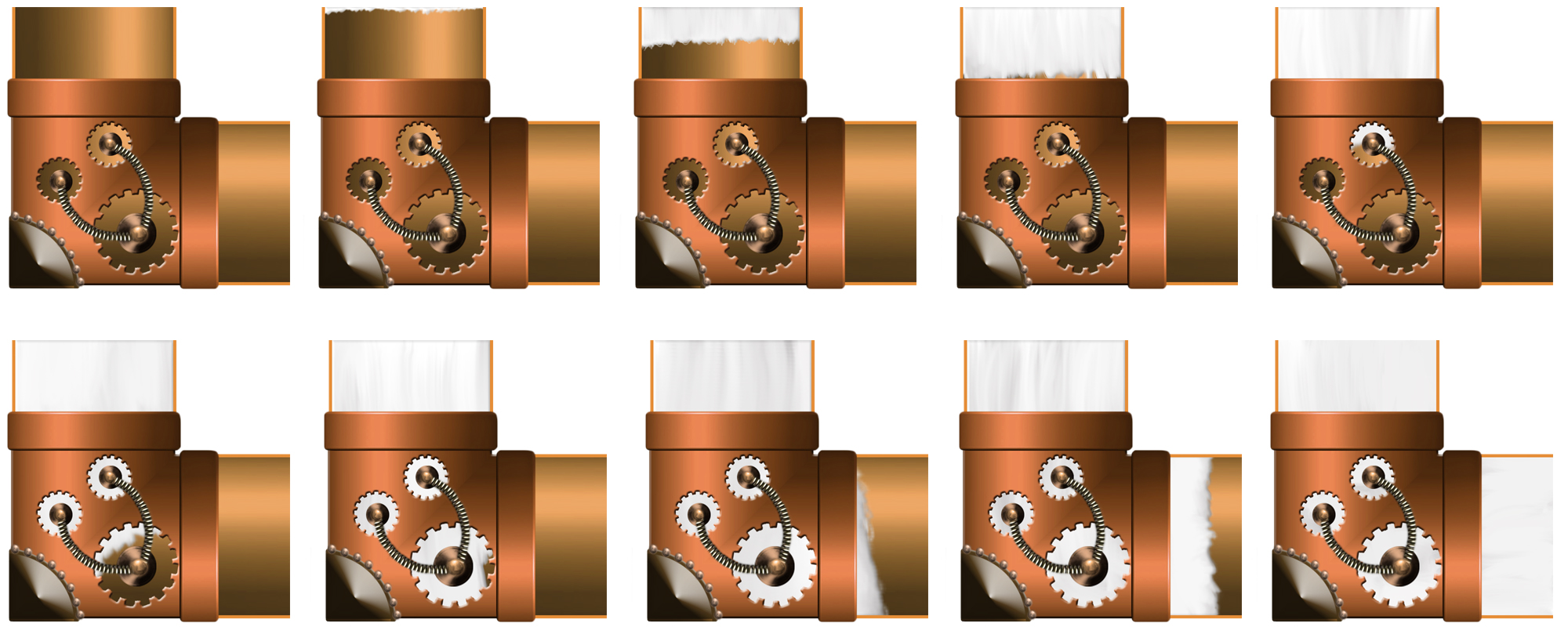
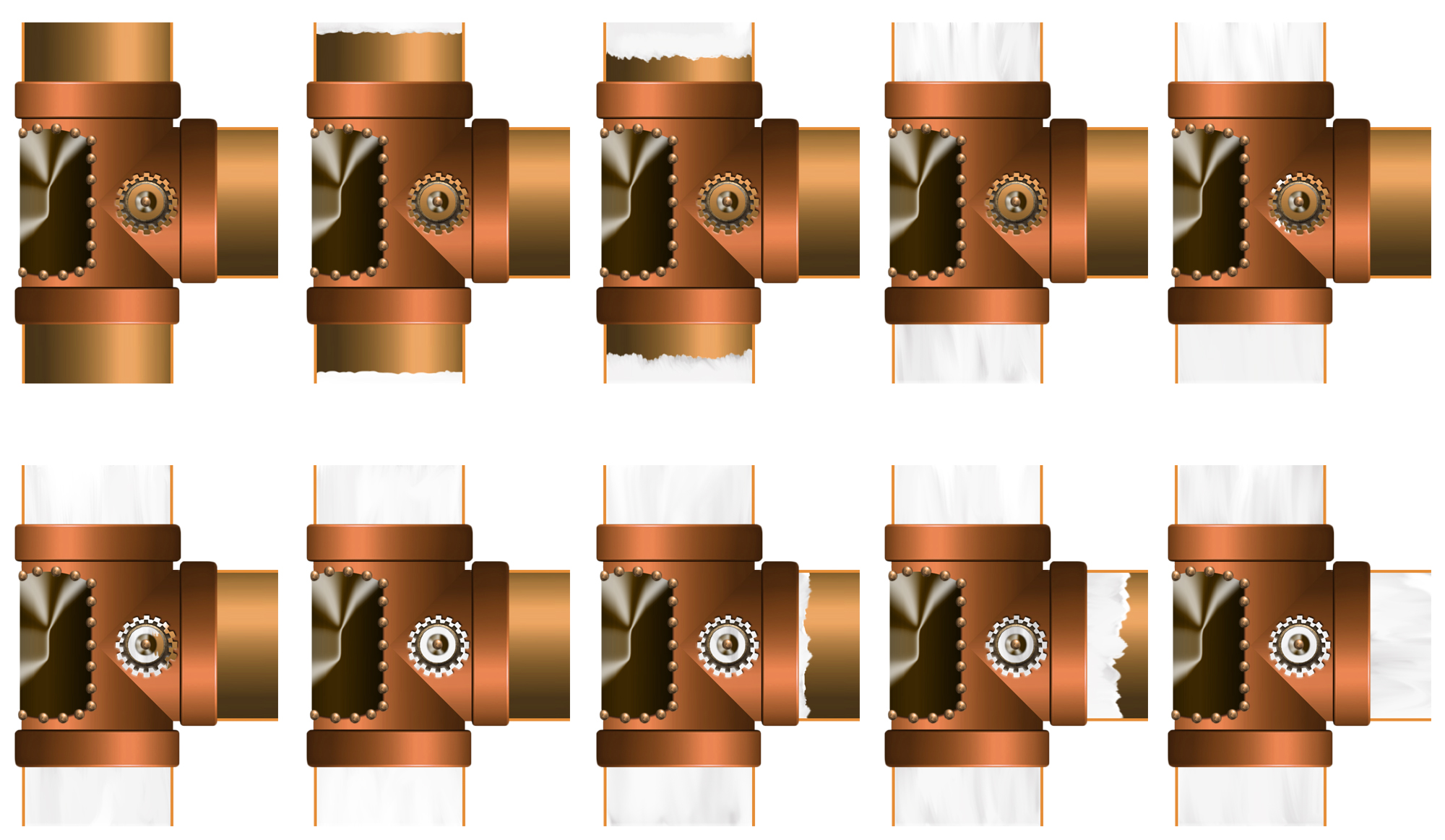
I took the design of the paint machine that my partner for this project, Kristin, created and touched it up to follow a similiar style to my pipes. Here is another sprite sheet and .MOV file that shows how the paint will flow through the machine and then the function of the actual machine. I am hoping that it will actually move around the screen when it is in the actual game.

These are a couple of other assets to the game. A color wheel and a toolbox, with two versions of the toolbox.

ARTIST POST 3 (11.02.11): ALBERT HWANG AND MATT PARKER
These two guys developed something called Lumarca, and this is an installation piece that displays dimension and motion.
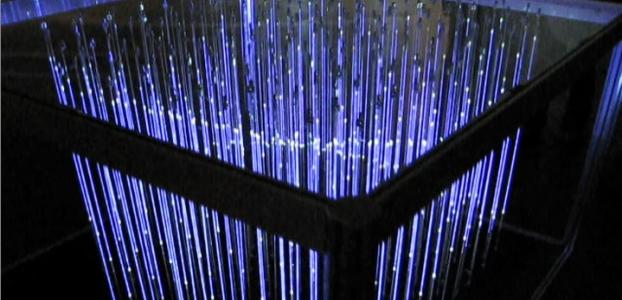
First, I would like to point out how incredibly awesome this is. Here, these guys took a gaming device and created a way to interface with a machine almost organically. These artists relate to my second project specifically by the fluidity that tried/am trying to capture in my art assets. I've been working very hard on trying to make each sprite have enough frames and have precise frames that allow the game to be played without you having to think too much about what it looks like. I wanted to make the game feel as engaging and organic as possible. What I mean by organic is not necessarily related to our organic being, but rather make it feel like this is a world in it of itself, and that they events that occur are 'organic' in itself. Just like these guys installed a piece that moves so fluidly, like every part of it belongs to itself, I wanted to create a similar effect with my art assets.
ART EVENT 2 (10.28.11): HANNAH PIPER BURNS PRESENTS '!WOMEN ART REVOLUTION'
This film was screened at SMCM by alumn Hannah Piper Burns, who also happened to be this week's visiting artist. Unfortunately I had to go to class right when she was taking questions and talking about the film, but I thought that this was an absolutly amazing film!

After discussing it with a few other people, I have to say that this film brought up some of the most intriguing point that I just have not thought about. I knew about the movement towards women's rights and all, but to think that these issues still haunt us today is a bit scary to me. On one hand, I am kept inside of this little bubble that is SMCM and am encouraged to open my mind and not limit myself to borders like race, sex, gender, or any other form of identity. On the other hand, the real world still exsists and it is just as scary as ever.
I was mostly surprised by the art students that are probably 4 or 5 years older than me. I was stunned when one of them mentioned that they could not find anything on women's art and female artists from the 60s, 70s, 80s, etc. in her school's library. I feel so privileged to recieve the education that I am, and that important information like that is not swept under the rug or ignored even if it isn't in text books.
PROCCESS FOR PROJECT 2 (10.13.11): PIPES AND CASTLE EXTERIOR
Click to view the preliminary illustrations for the pipes.

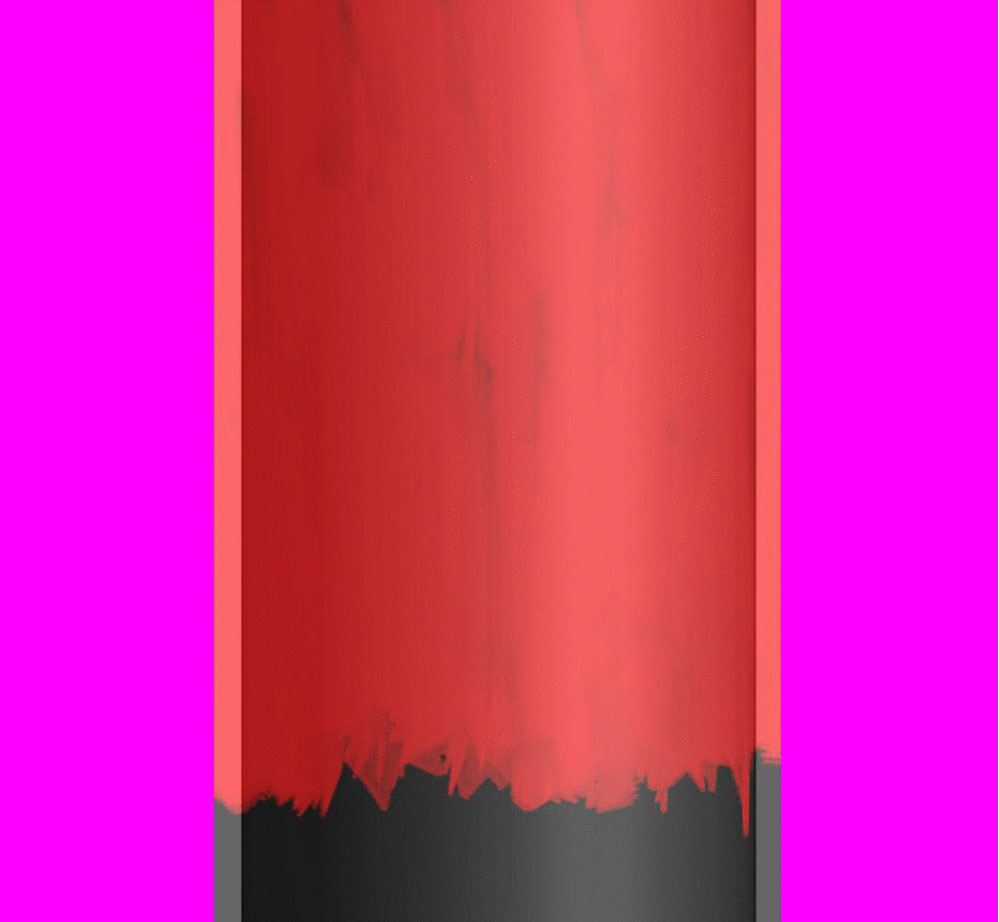
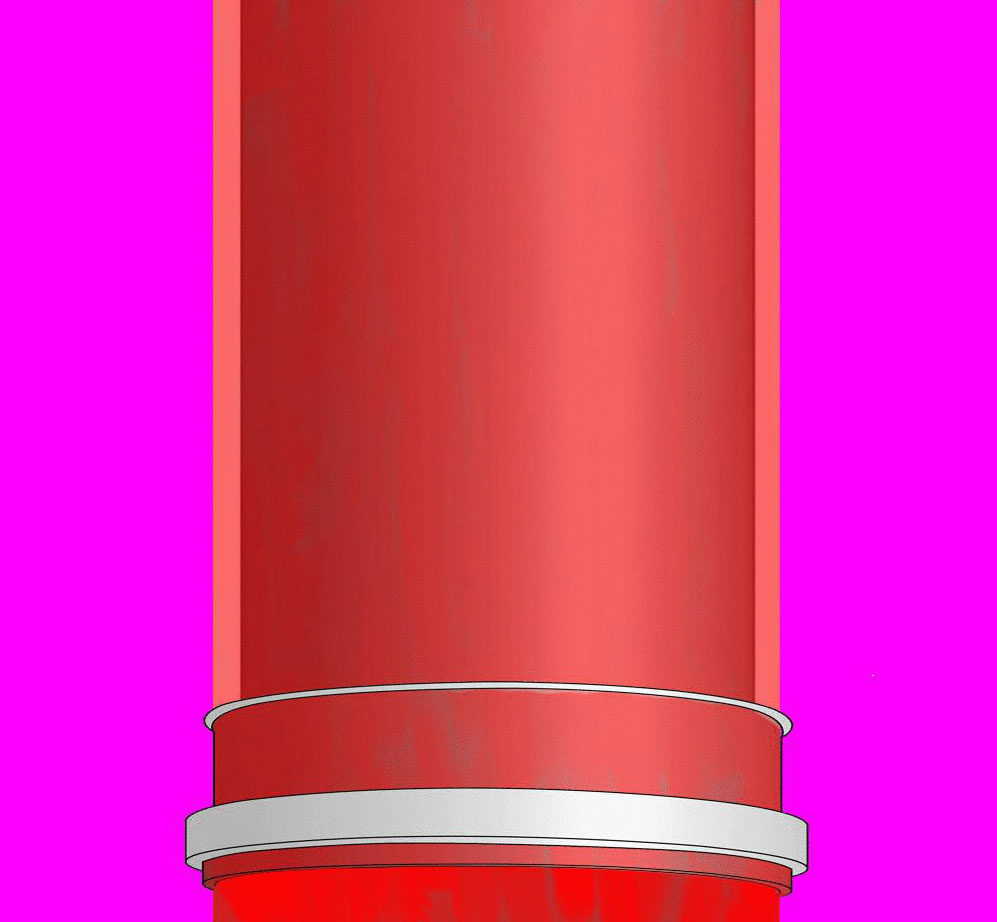
These are a couple of new designs for the pipes. Click on each image to view the animation.
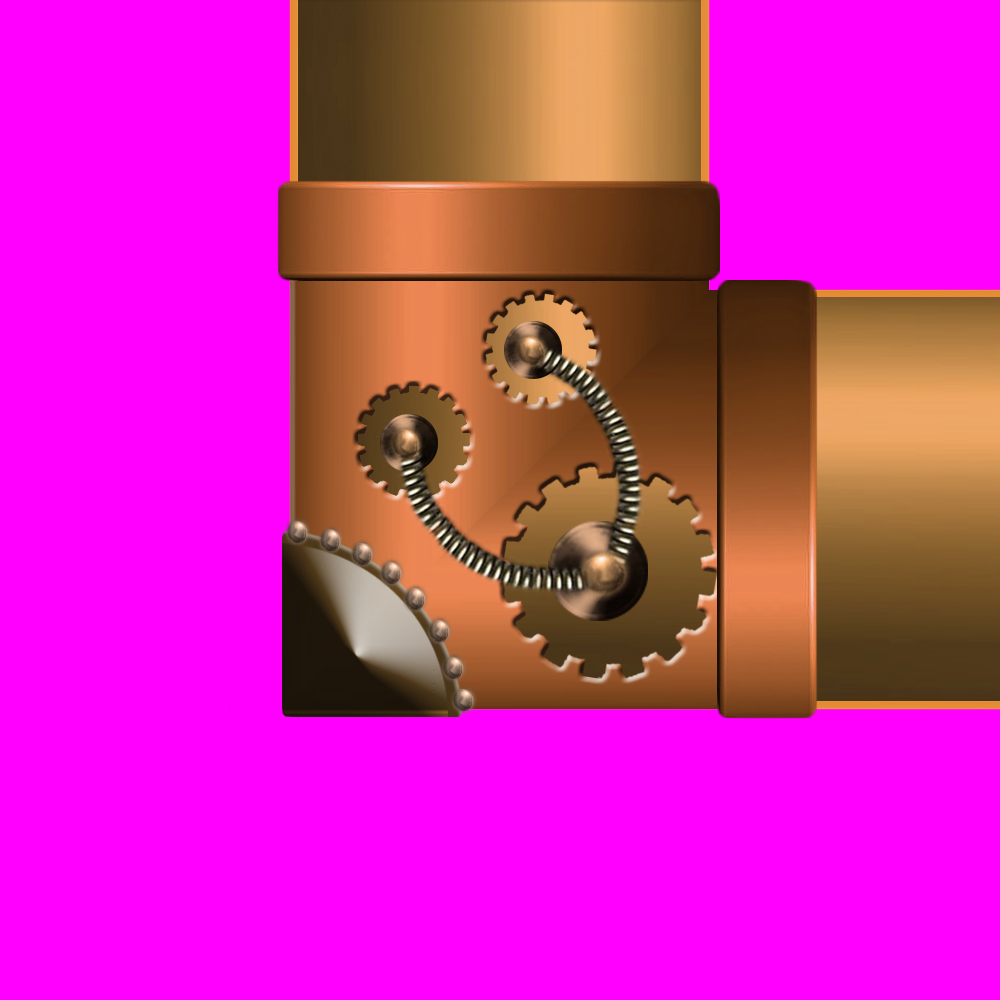
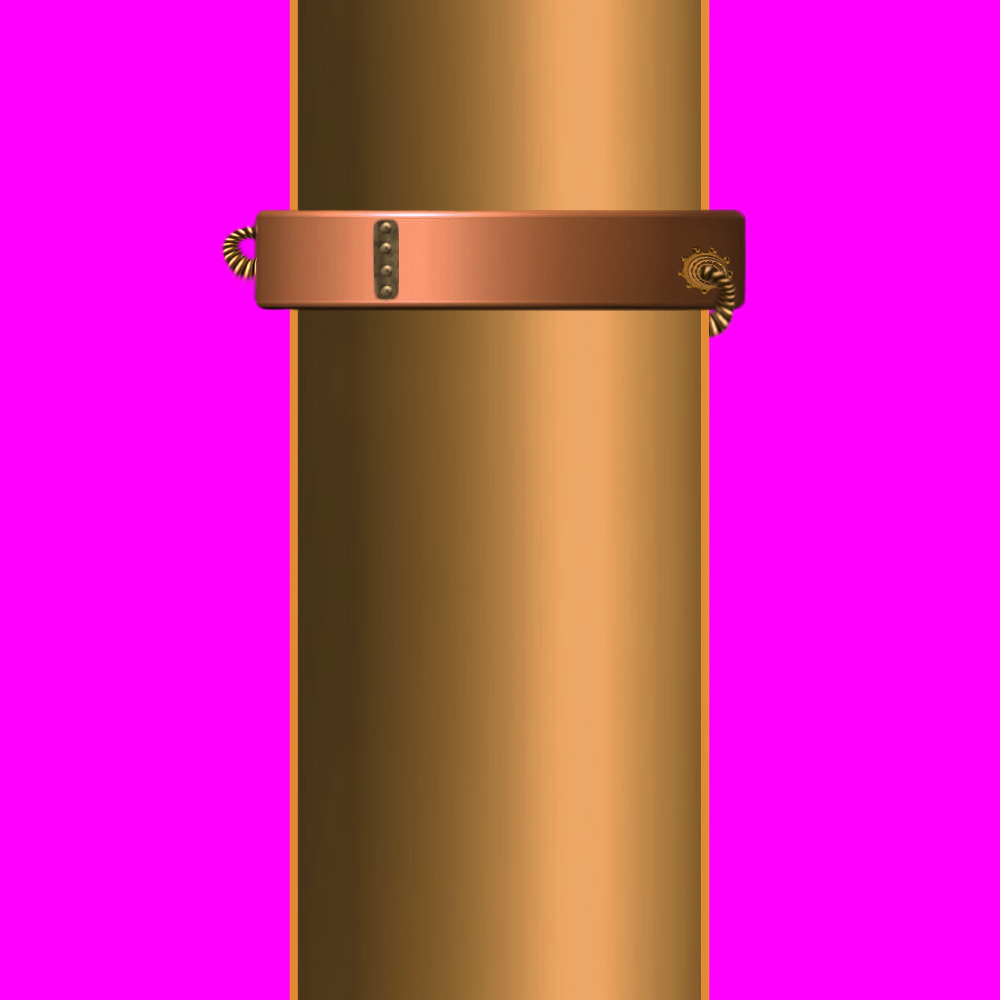
I will change the color of the paint flow to white in order for the guys coding the game to tint the paint, rather than having me make each pipe with each one of the 13 colors that are being used in the game.
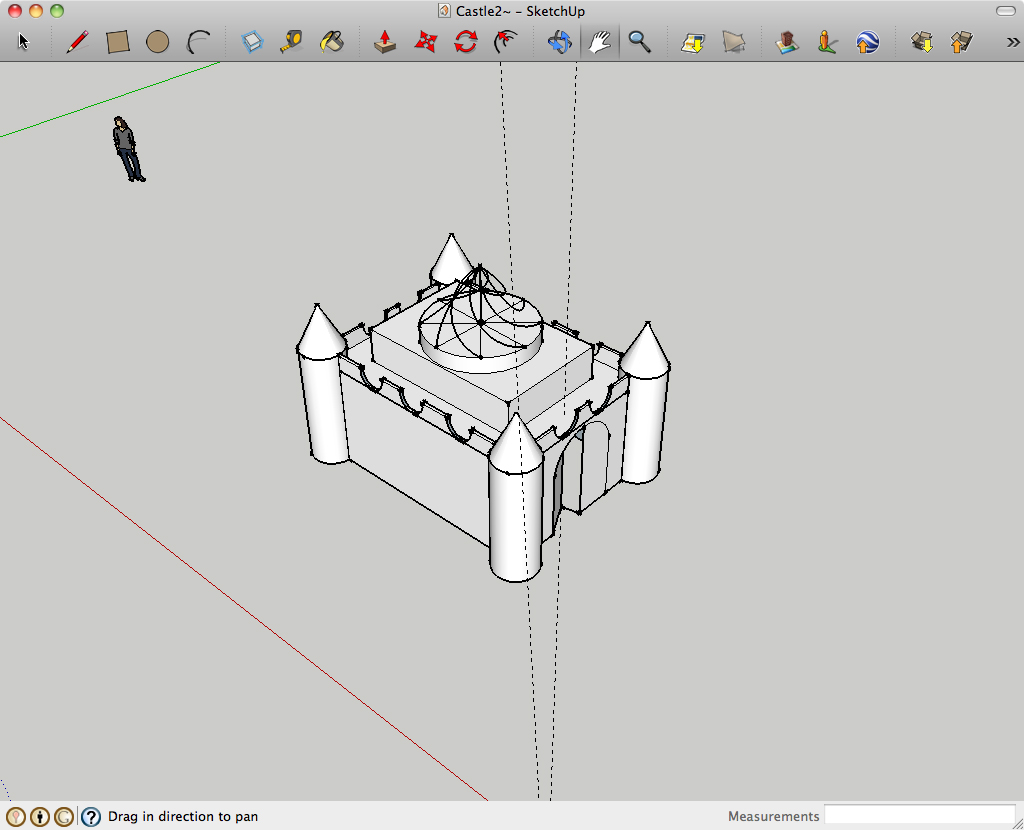
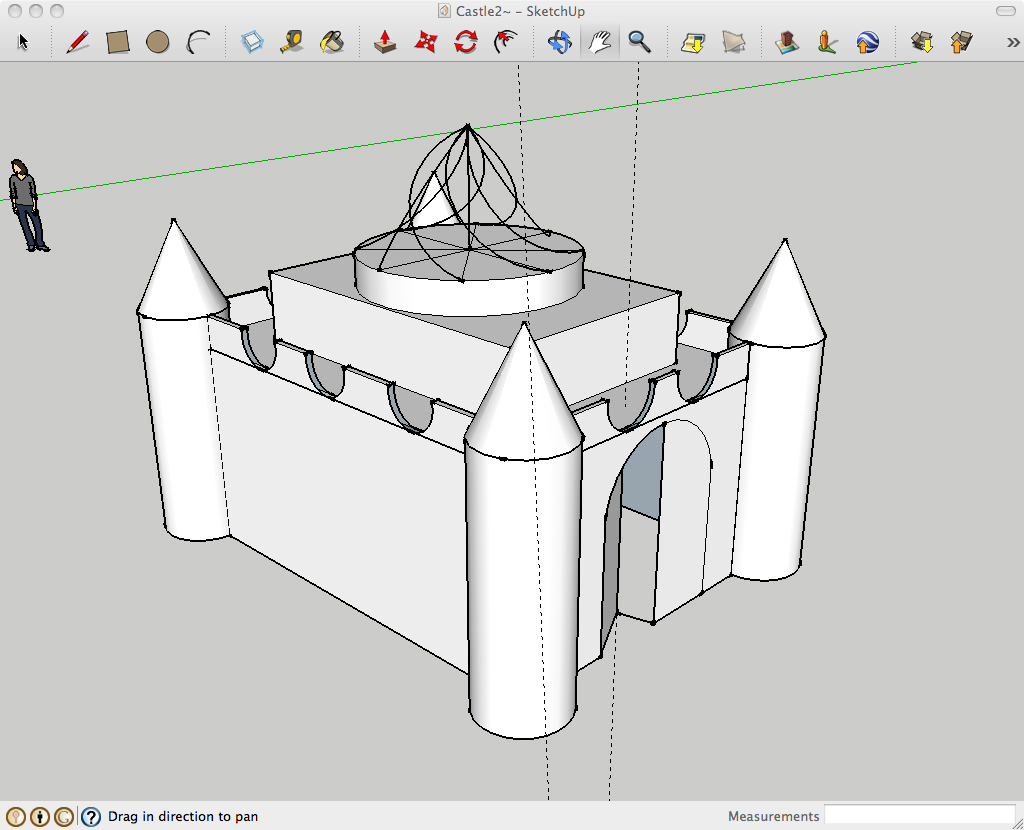
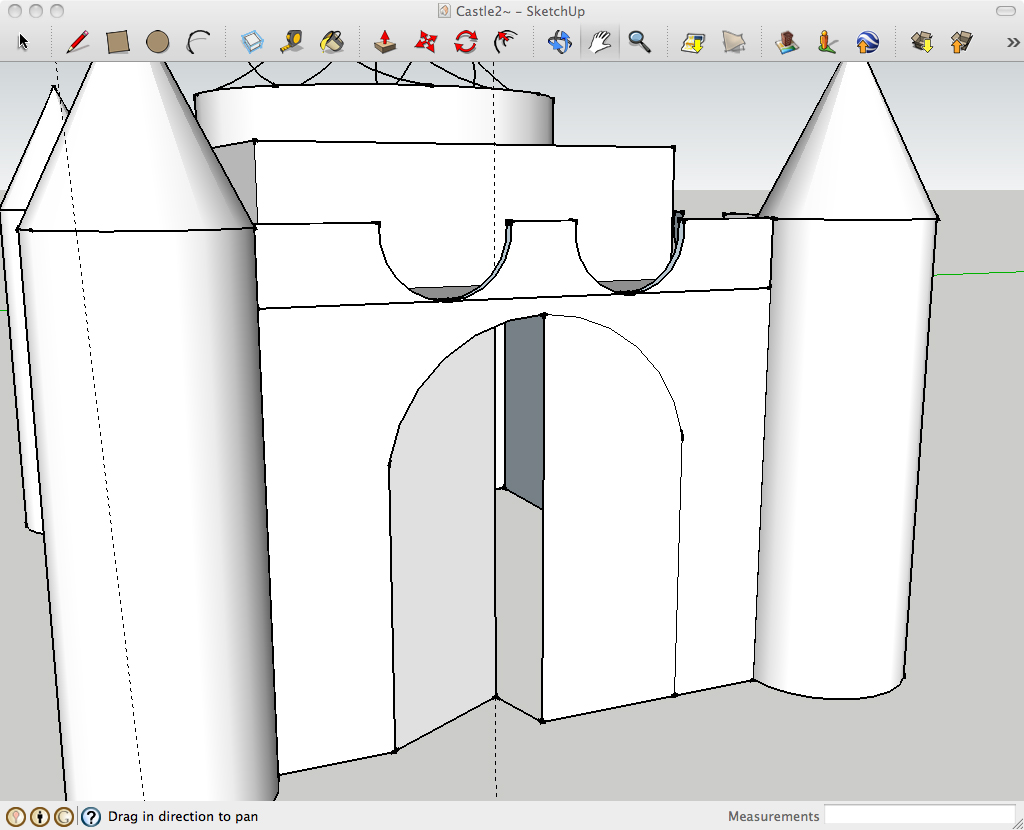
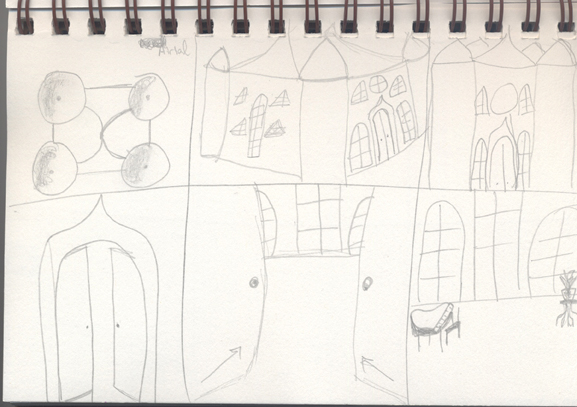
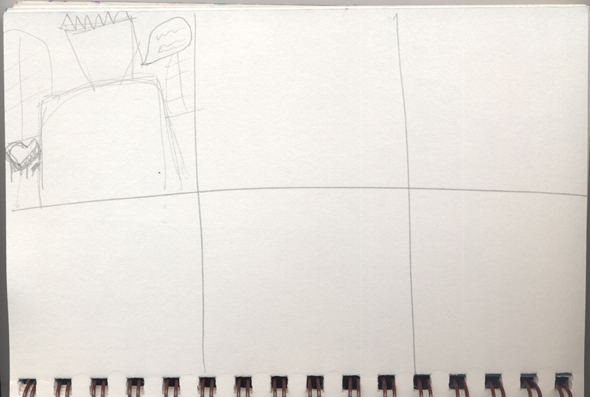
Below are some images of the castle. I haven't done much with the color of the exterior, but I am planning on keeping it consistant whith the design of the king that my partner is drawing up. I am hoping to animate a few cut scenes, and I would like for this to be the opening scene to the game. Once the camera zooms in, the king will appear and give directions for how to play the game.
PROCESS FOR PROJECT 2 (10.04.11): IMAGES FROM MY "ANALOG" SKETCHBOOK
PROJECT 1: FINAL
PROCESS FOR PROJECT 1 (09.22.11): IMAGES FROM MY "ANALOG" SKETCHBOOK
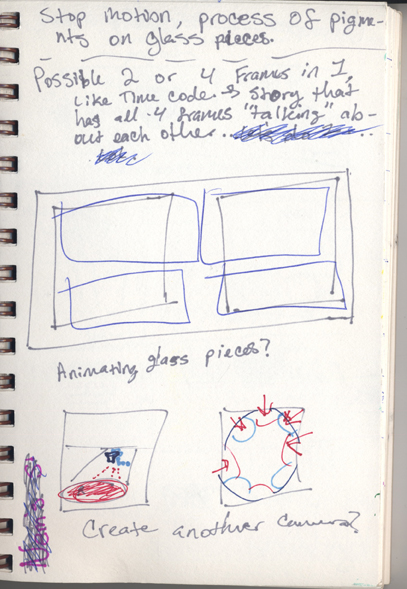
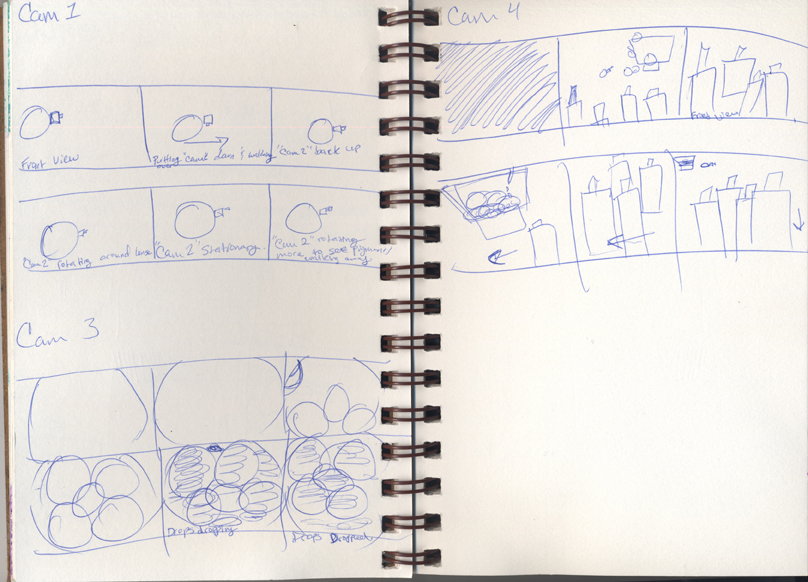
My initial idea was to go off of my first experiemental shoot and have three panels with people talking to each other, but not being in the same location. However, after going through my experimental shoot with camera hacking, I decided to take my project down a different route.
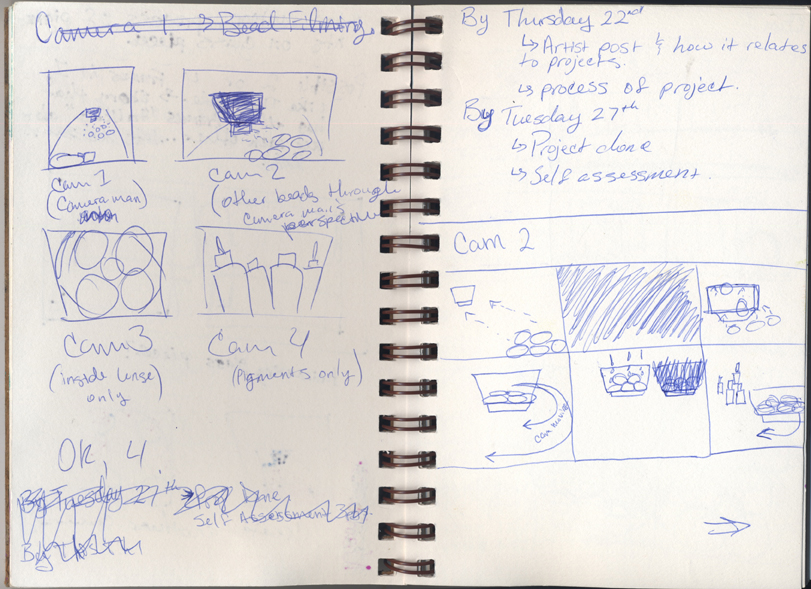
Here are some sketches from my sketchbook (I apologize for their slopiness). Here are the storyboards for what each camera will be capturing. This short film will be all about perspective and process. The process will not be showing my audience how I make the film, but how the "characters" end up where they are without showing the aid i give to the subjects in the film.
ARTIST POST 2 (09.22.11): MIKE FIGGIS & DZIGA VERTOV
This artist post is actually on two filmakers and their films; Mike Figgis' Timecode (2000) and Dziga Vertov's Man With a Movie Camera (1929).
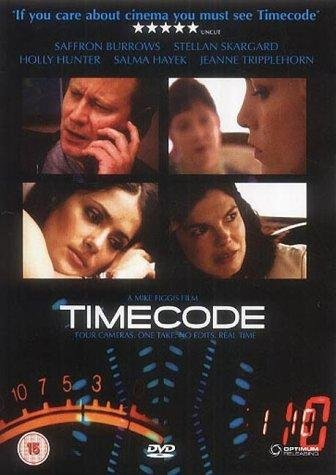
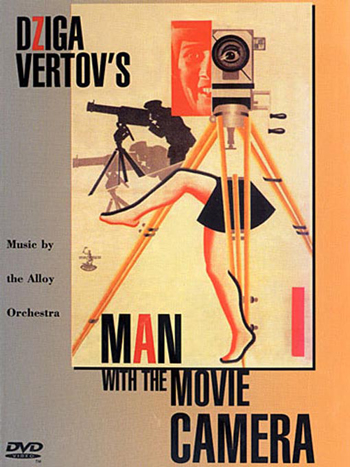
(Click on either image for their IMDb profile)
Both of these films were inspirational to my first project for this course. These two films have always been two of my favorite, but they fit especially well with this assignment. I've seen Vertov's film a few times before it was shown in class, but I did not think of it in the same context until I started working on this project. The whole purpose of the project was to show something you normally would not see, and in 1929 Vertov hit the nail right on the head. His montage sequence was something that was very new for the time, not to mention showing his audience the process for how it was created. At the time, most filmmakers were just starting to explore cutting on action and cutting to closer shots, and what Vertov did was unheard of.
For my project, I wanted to give a similar experience to my audience. The sequence in the film that I am mostly drawing inspiration from is the sequence with the animated movie camera. The man who had been holding the movie camera until then was nowhere to be found, and the camera had developed a human quality where it almost thought on its own. But what drew me in the most was that the camera had no specific purpose for moving around on its own. The camera did not seem to have a goal, nor did it accomplish anything other than moving around the space that was being captured by the other camera that was filming it.
Figgis' film sprung a different kind of inspiration for this project. In his film, he tells a story through four frames on one screen. The four frames are continuous sequences that are uninterupted by cuts or any major editing other than sound. What I loved about this was the fluidity of each camera and how they never ran into one another; the characters played out their world and told their story as one from four different perspectives. The setup of the film is what mainly inspired my project. Since my project is a stop motion film, there will be some major editing. However, I am also working on creating this same fluidity that Timecode displays.
PROJECT 1 (09.13.11): THREE EXPERIMENTAL SHOOTS- CAMERA HACKING
ART EVENT 1 (09.06.11): DR. REBECCA HALL
Dr. Hall is an art historian who works at Walters Art Museum in Baltimore and specializes in Southeast Asian art, architecture, and religion. She came to SMCM to talk about her main interest and what she worked on for her disertation. She mentioned that the main reason that she became interested in this specific area of art and art history was after picking up the book "Textiles and the Tai Experience in Southeast Asia"
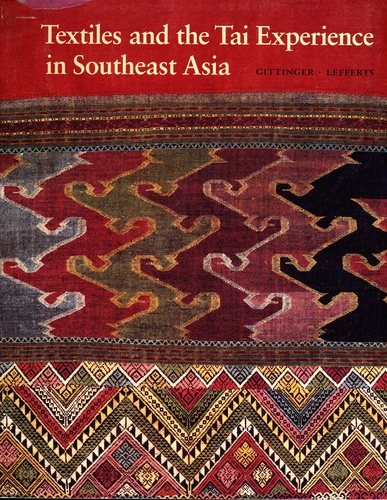
She and I have similar interests from this foreign area of the world, which is as she put it, "making things for religious purposes." That was part of what I fell in love with when I was exposed to this land during Fall of 2009. The book that she looked through had images of religious figures that represent and pay respects to the Buddha and his teachings.
In her presentation, she mostly spoke about her encounters with people and her overall journey while she was doing her research in Thailand, Laos, and Cambodia. In searching for these textile banners, she encountered different kinds of art forms such as architecture, statues, and paintings. She mentioned how there was not any kind of uniformity between the art she encoutered, but knew that they were Buddhist because "they were in Buddhist monestaries." Seeing as how her work closely ties to my SMP, I thought about the research that I've encountered myself: Buddhism is not about what you believe in, but rather what you do. This was a very strong statement that legitimately backs up her research on the textiles that she was researching. She mentioned this idea of heaven, and the banners representing a stairwell to heaven. She very politely mentioned that she was not going to get into the argument of "Well how can they believe in heaven if they are Buddhist?" I believe her response to that question is very appropriate.
Overall, I really enjoyed her talk. I experienced flashbacks and realized how much I wish I could remember my experiences in more detail. I felt like I was able to connect and understand where she was coming from. Buddhist art can be very overwhelming because of how different each art form can be, yet there is a similarity to it all that allows you to recognize that it is Buddhist art.
EXPERIMENTAL SHOOT 1 (09.06.2011)
This shoot is of my roommate talking to me while I pick up her facial features depending one what we were talking about at the time. The shoot is cpmpletely silent. As a film editor, I always keep close attention to my sounds as well as my images. I have to pay attention to cues and really combine the two so that the audience does not realize just how edited a film is. With this project however, I decided to edit it without thinking about the sound and dialogue. Instead, I picked up her facial reactions and allowed myself to edit the film from a different perspective.
UNTITLED
Untitled from Nemesis Zambrano on Vimeo.
ARTIST POST 1 (09.06.11): JIM CAMPBELL
What attracts me to Jim Campbell's work is the way he uses space, human interaction, and interactive installations. The Digital Watch (image below on the left) is interesting in that people who are obseriving his work suddenly become a part of it. The element of time that he displays with the watch seems to bring the viewers into the moment of the piece. The two cameras he uses along with the projector display "real time" next to the image of the watch with an image of the viewer inside the watch, and the image of the viewer is delayed by 5 seconds. What this does is to engage the viewer in the past while looking at the present time all at once. The clock is an interesting semiotic to use in this installation because it really establishes a literal sense of time.
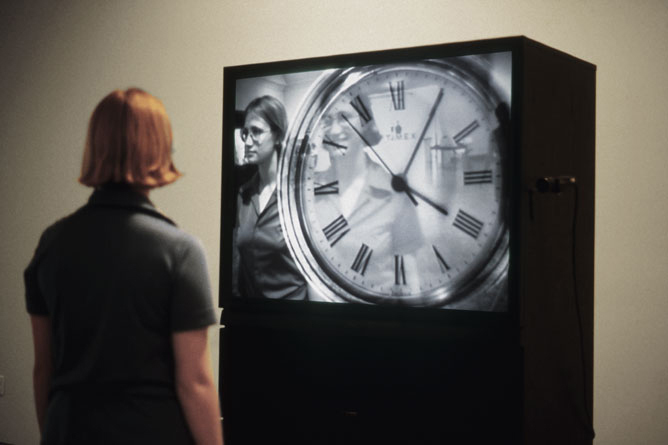
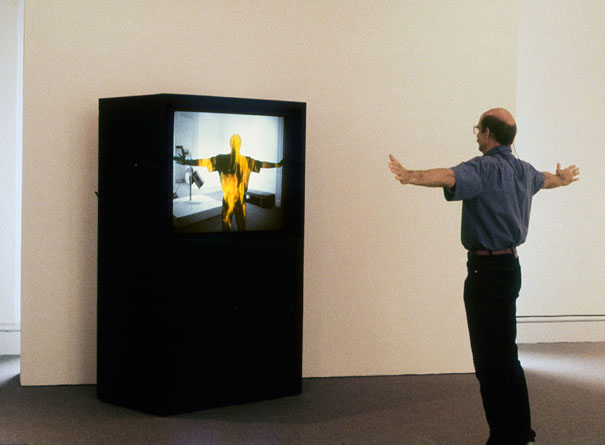
(Click on either image to go to Jim Cambell's website.)
Hallucination (image above on the right) is also very interesting to see how he uses his work to comunicate with the people who observe it. His work does not attract the passive viewer who wonders from art work to art work simply taking in what it is that they see. Campbell instead uses this medium of digital technology to allow his audience a chance to interact with the space and the art work; the viewer essentially becomes the art work.
I really like the idea of allowing your audience and viewers to interact with a piece of work, and creating a type of dialouge. Although I haven't figured out how to do that for myself, it is most certainly something that I would like to try out and potentially achieve. So far, with my own work, the only interaction I can create is through my website and the links that take you through each webpage. However, there is something different in Jim Cambell's work that allows him to use his work to really engage with the audience.